How to Choose the Right Natural Bedding for Better Sleep

The best way to choose a natural bed mattress is to take some time to think about what you are looking for.
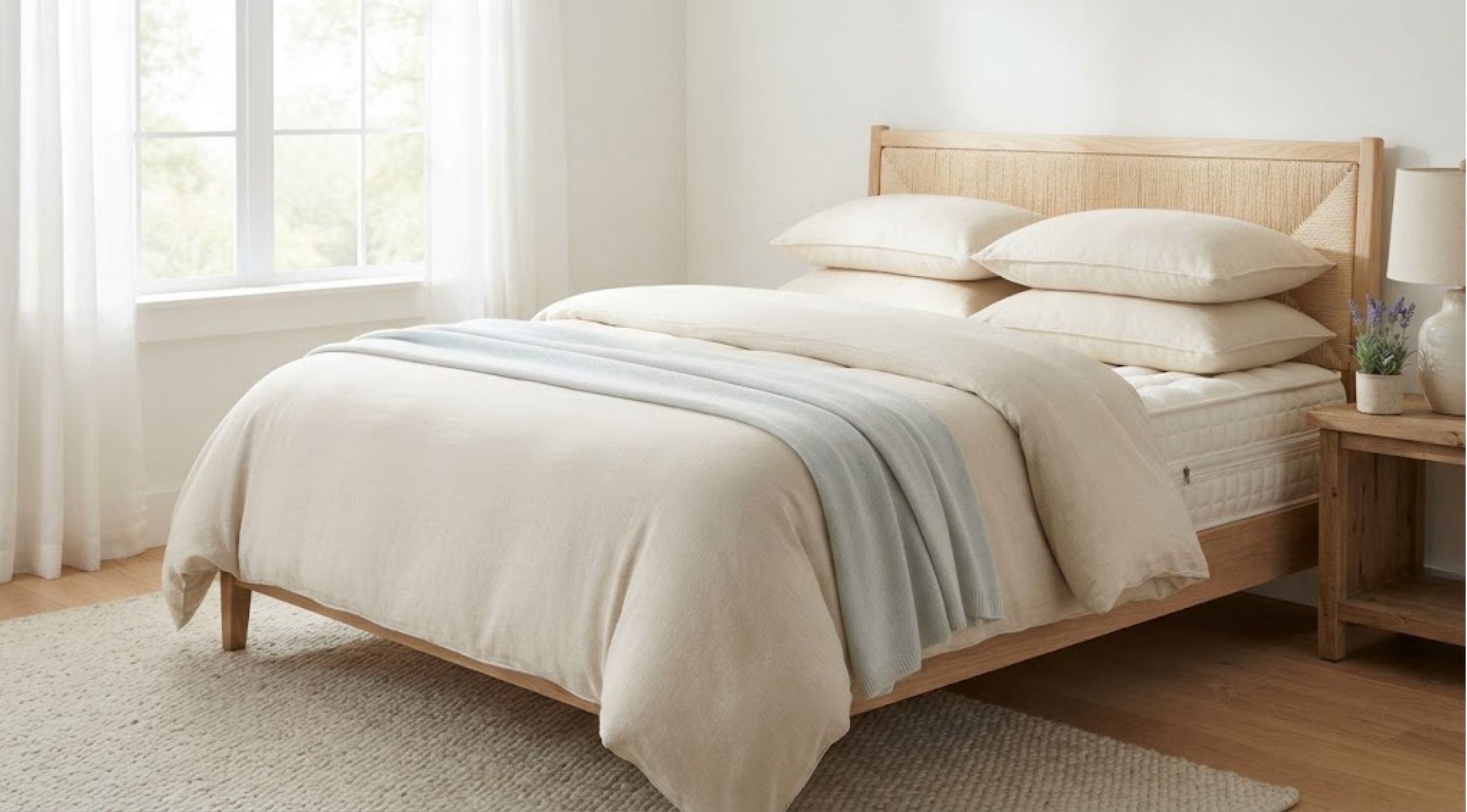
The best way to choose a natural bed mattress is to take some time to think about what you are looking for. The right bedding can make your bedroom more comfortable and relaxing. Your bed, pillows, and safebedding are all important to consider in your sleeping environment.
When choosing a wool mattress, hypoallergenic pillows, or a zippered mattress encasement, comfort, materials, fit and maintenance are the key factors to consider. Sleep And Beyond provides bedding choices that may enable you to experiment with various methods of developing a comfier sleeping area.
Mattress Selection & Wool Construction
The Key Is to Find the Mattress That Is the Best Fit for You
The mattress should be comfortable and in proper size according to your sleeping posture. When selecting one, take into account firmness, materials, the thickness of the mattress, and your sleeping patterns.
Remember that side sleepers might want something extra plush and back and stomach sleepers might prefer something that provides some support. Be aware of what materials are used all over the mattress. There are people who are looking for something different from the regular synthetic bedding and they can appreciate natural materials. When looking at different materials that make up your bed and your mattress for your bedroom, you may want to consider Sleep And Beyond.
A Wool Bed Mattress Is a Mattress That Is Made of Wool
Those who love high-quality and natural materials can find a wool mattress to be an intriguing choice. Wool is famous for its softness and moisture and temperature control properties in a bedding system.
When comparing wool mattresses, don't simply consider the exterior fabric, but rather the mattress construction. Examine the type and quantity of wools, layers, cover materials, thickness and design. Moreover, you should take into account how the mattress feels when lying on it. Not all mattresses that are made from a natural material will be as firm or comfortable as others.
Pillows, Encasements, & Integrated Setup
When Shopping for Hypoallergenic Pillows, You Should Consider These Factors
Pillows can help or hinder comfort when sleeping, depending on the kind that is used and how it is positioned to support the head and neck over the course of the night.
Consider the hypoallergenic pillow filling, cover, loft, firmness and sleeping position when choosing hypoallergenic pillows. Side sleepers might require a higher pillow to help create space between the head and mattress, whereas back sleepers would find a medium loft pillow to be ideal. Lower profile is comfortable for stomach sleepers. Even if you look at the manufacturer's care instructions as well. Easily clean and easy to take care of pillows are more useful in everyday use. When it comes to the materials used to make natural pillows and varying sleep habits, Sleep And Beyond is a factor.
Buy a Mattress Encasement With Zippers
A zippered mattress encasement can add a barrier to the mattress. Encasement is made to cover more of the surface of the mattress than a standard fitted sheet.
Always take the measurements before buying the mattress. Measuring its length, width and depth to ensure the encasement fits properly. Note the zipper design and construction as well. If a secure closure can be used, the encasement can be more easily installed and removed when needed. Ensure the product will fit the mattress thickness. If it is not a proper fit, it can bunch up or be challenging to install.
Creating a More Comfortable Bedding Setup
Do not choose a mattress and pillows independently from one another. First, let's begin with the firmness of your mattress and position. Next, select the right pillow that makes sure your head isn't put in the wrong position.
Include additional layer(s) of sheets, blankets, and protective material based on individual comfort level. Other materials like wool, cotton or other fibers can also be used as a natural bedding, depending on the design of the product and your tastes.
Maintenance, Sleep Postures, & Bedroom Habits
How to Make Natural Bedding Last
With proper care, your bed linens can last longer. Clean and maintain in accordance with manufacturer's recommendations.
It is generally recommended that mattresses are not exposed to excessive moisture and spills. If appropriate, use proper protective bedding material and keep sleeping surface dry. Pillows should also be washed following the instructions for cleaning. Do not wash and/or dry a product that may be harmful to the filling or construction. Note that the specific guidance for care of Sleep And Beyond products may vary due to the different materials used and so it is necessary to consult a specific product's care instructions.
Different Types of Sleeping Styles and the Right Bedding
Individuals have varying comfort needs. Your personal sleep posture, firmness, room temperature and sensitivity to the materials will all factor into your choice.
If you want something natural, check out the construction and feel of the mattress before you buy it. If you're most interested in comfort, look at hypoallergenic pillows and evaluate their loft and filling. When it comes to protecting the mattress, think about a zippered mattress cover that offers coverage and fit.
Creating an Effective Bedroom Schedule
Comfortable bedroom qualities go beyond good bedding. Maintain a clean, tidy and comfortable sleeping environment for relaxation.
Wash bedding as directed and change when it has lost its support and/or comfort. Don't purchase all of the bedding items at once. Rather, find a component in your existing system that you feel could be improved and upgrade it first. This method can help to develop a suitable sleep environment without the need for cluttered shopping.
Conclusion
Choosing the Best Natural Bedding Is a Critical Decision
The best bedding is based on how comfortable you are, how you sleep, and how you maintain it.
If you are looking for a natural mattress material, one of the options to consider is wool. When you're considering types of pillow materials and designs, hypoallergenic pillows might also be an alternative choice. Mattress protection can be gained by using a zippered mattress encasement.
While evaluating these choices, look at the dimensions, material, structure, maintenance, and degree of comfort. Sleep And Beyond is a helpful resource to consider natural options for sleeping and set up a room that works for you.